

147 Students. 147 Stories.Every Handicap Has a Turning Point.
From dawn sessions on dewy practice ranges to late-night simulator bays — real transformations, candidly documented.
The Review & The Reason
Every testimonial is paired with what we actually did — the specific diagnosis, the exact drills, the measurable outcome.

"I'd been stuck at a 16 for three years. Tried two other instructors. Marcus watched me hit exactly four balls, then said, 'Your takeaway is breaking down at hip height and you're compensating with your hands all the way to impact.' He was right. Four sessions later I shot a 79 for the first time in my life."
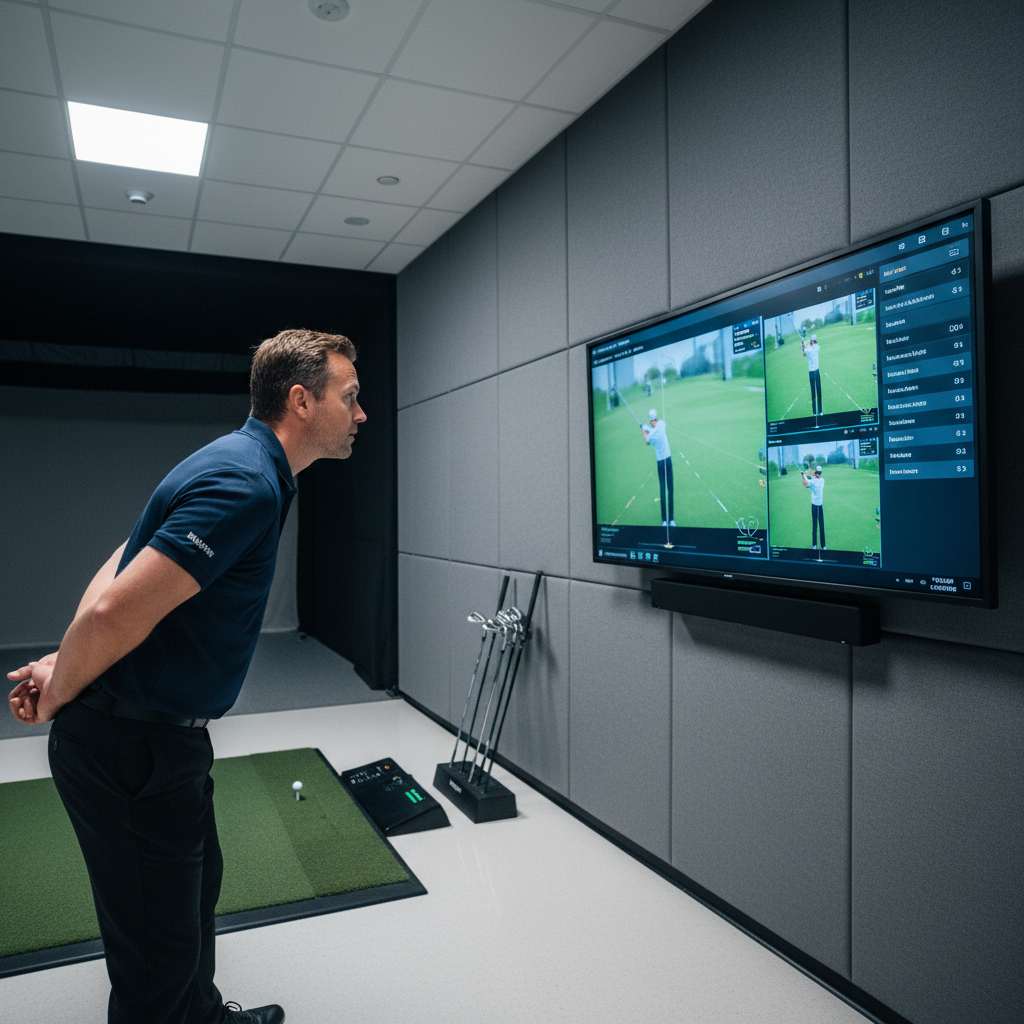
What we actually changed with David
We rebuilt his takeaway over four sessions using slow-motion video analysis on a Trackman unit. The footage showed his left wrist breaking down 14 inches into the backswing — a compensation pattern he'd ingrained over eleven years. We isolated the fault with a half-swing drill using an alignment rod, then reintegrated full swings only after the new pattern held under fatigue. No guesswork. Every session had a measurable exit criterion.

"I'm 67. My goal was to break 80 before I turned 70. Marcus didn't treat that as quaint — he treated it like a project brief. He mapped out exactly which parts of my game were costing me the most strokes. Turns out it wasn't my swing at all. It was my wedge game inside 80 yards. We spent six weeks there. I shot a 78 in October. I cried on the 18th green."

Why we ignored Patricia's full swing
Strokes Gained analysis of Patricia's last 20 rounds showed she was losing 4.1 strokes per round inside 80 yards — not to her driver, not to her iron play. We ran a short-game audit: she had no consistent landing zone philosophy and was playing the wrong trajectory for her swing speed. Six weeks of wedge-specific sessions with a launch monitor established three stock distances and a reliable 40-yard flop. Her full swing never needed to change.

"My son is 15 and plays on the high school varsity team. We've worked with Marcus for two years. The technique work is obvious — Tyler's ball-striking is genuinely elite now. But what I didn't expect was the mental framework Marcus teaches. Tyler talks about 'process goals' and 'pre-shot routines' like a touring professional. His coach at school pulled me aside to ask what we were doing differently."

How Tyler's program is structured
Junior development requires a different architecture than adult remediation. Tyler's program runs on a 6-week cycle: two technique sessions, one on-course playing lesson, and one mental performance session. We track ball-striking metrics with a Rapsodo unit and set handicap targets each cycle. The mental framework — process goals, visualization protocols, post-round review — is non-negotiable. College coaches don't just want ball-strikers; they want competitors who manage adversity.
Who This Is For
Three distinct tracks. Each designed around the specific pressures, schedules, and goals of that student — not a generic curriculum.

The Plateau Breaker
Mid-handicap executives who've stalled between 14–18 for years. The problem is rarely physical. It's usually one ingrained fault compounding under pressure.
"Marcus found the fault in 20 minutes that three other pros missed in three years."
— Robert Chen, Managing Director

The Single-Digit Dream
Retirees with time to practice and a goal that matters. We build programs around the actual strokes being lost — not the swing that looks best on the range.
"I shot a 78 at 67. I didn't think that was still possible."
— Patricia N., Portland

The Scholarship Path
Junior players whose parents understand the difference between a coach and a range pro. Technique, mental game, and college recruiting strategy — integrated.
"His college coach asked what we were doing differently. The answer was Marcus."
— James O., Parent
The Transformation on Film
Toggle between before and after. The caption is the student's own words.
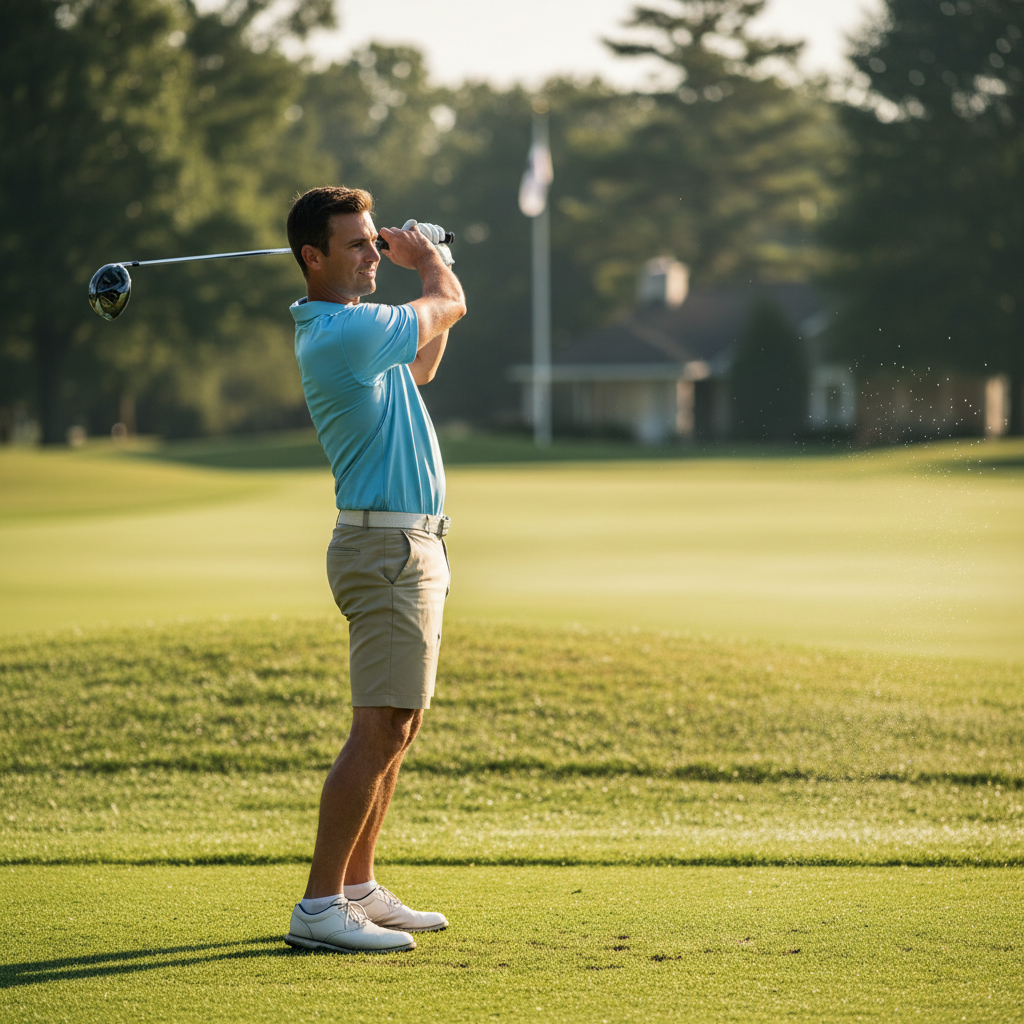
"The first video was brutal to watch. The second one looked like a different person."
Grip pressure, hip rotation, impact position — rebuilt in sequence.
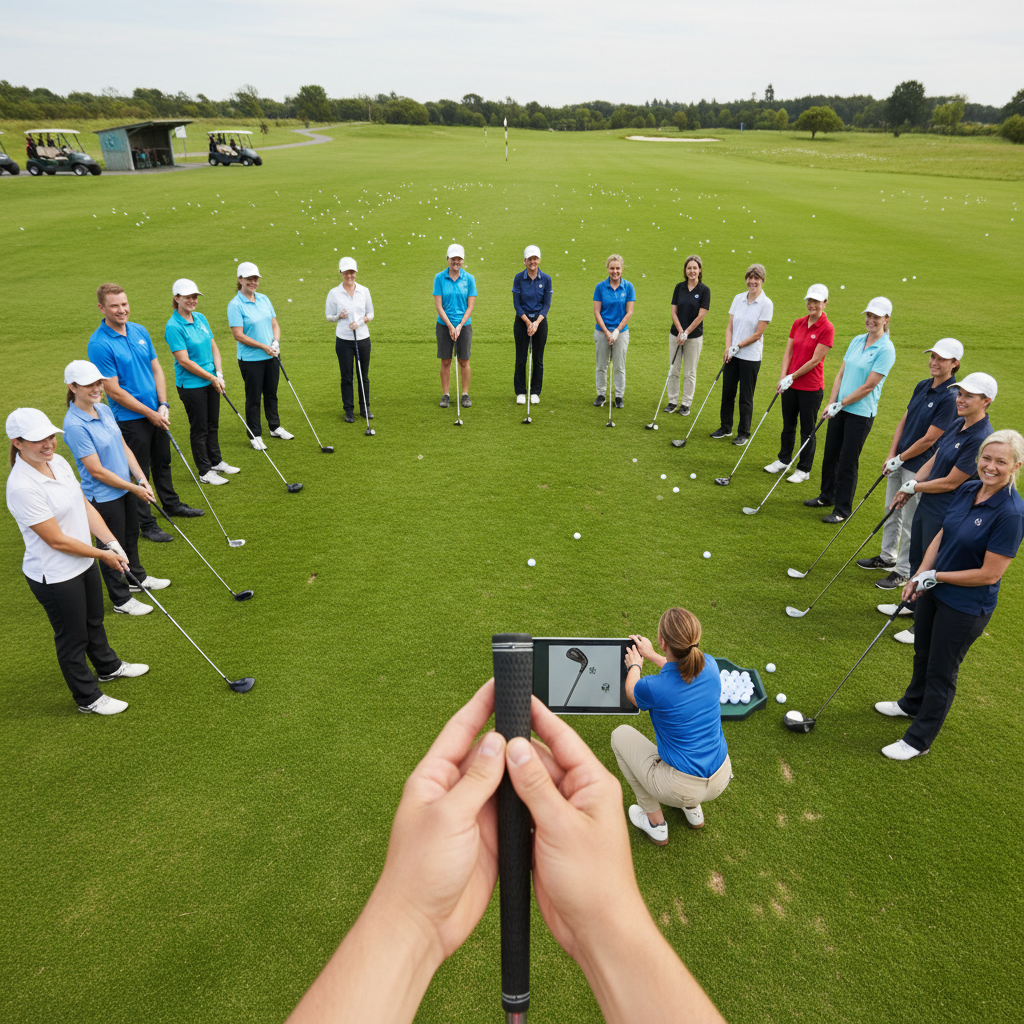
"Every single person in our group of twelve left with something specific to work on. That's rare."
Corporate retreat format: 3 sessions, individual assessments, group dynamics.
Find Your Lesson Format
Tell me where you are and where you want to go. I'll tell you exactly how we get there — no upsell, no vague promises.
Download the Practice Plan
The exact drills referenced in the testimonials above — compiled into a branded PDF. 18 pages, organized by fault type. Used by students between sessions.